The Ultimate Guide To Companion Planting Beans
The Ultimate Guide to Companion Planting Beans
Beans are a popular vegetable that can be grown in many different climates. They are relatively easy to care for and can provide a bountiful harvest. One way to improve the growth and yield of your bean plants is to practice companion planting.
Companion planting is the practice of planting different types of plants together in order to create beneficial relationships between them. Some plants can help to attract beneficial insects, deter pests, or improve the soil quality. When you companion plant beans, you can take advantage of these benefits to create a healthier and more productive garden.
What are the benefits of companion planting beans?
There are many benefits to companion planting beans. Some of the most common benefits include:
- Attracting beneficial insects. Some plants, such as marigolds and nasturtiums, attract beneficial insects such as ladybugs and parasitic wasps. These insects can help to control pests that can damage bean plants.
- Deterring pests. Other plants, such as garlic and chives, have strong scents that can deter pests such as aphids and beetles.
- Improving soil quality. Beans are nitrogen-fixing plants, which means they can add nitrogen to the soil. This can benefit other plants in the garden, as nitrogen is an essential nutrient for plant growth.
- Creating a more diverse ecosystem. Companion planting can help to create a more diverse ecosystem in your garden. This can make your garden more resistant to pests and diseases.
What are some good companion plants for beans?
There are many different plants that can be good companion plants for beans. Some of the most common include:
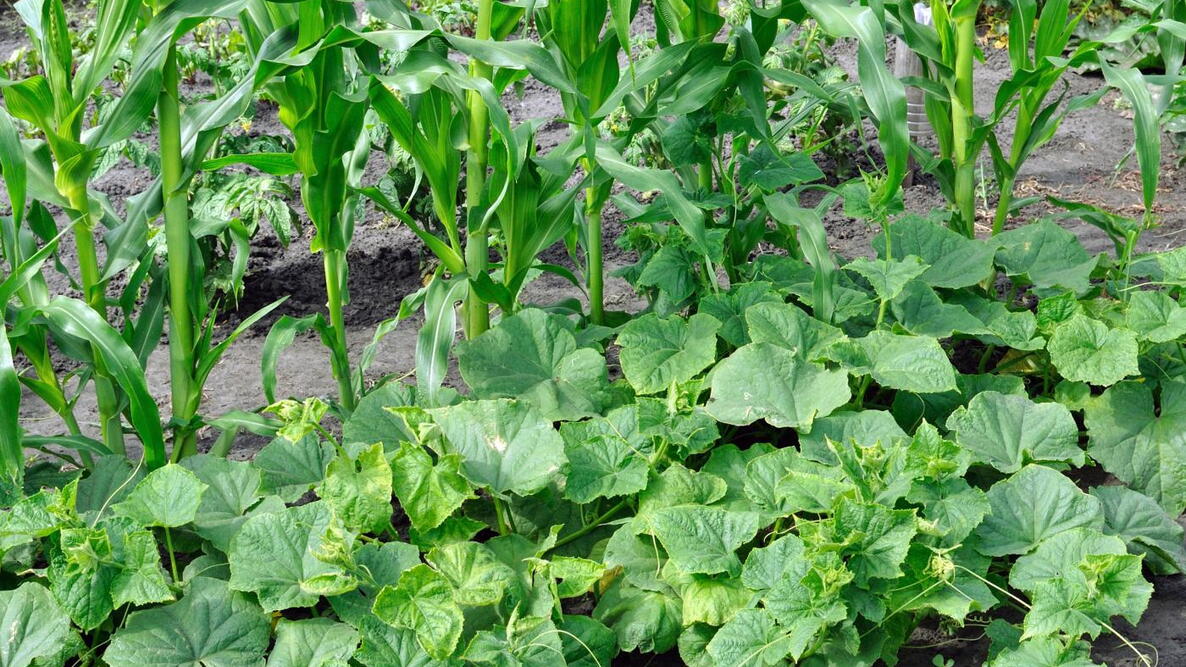
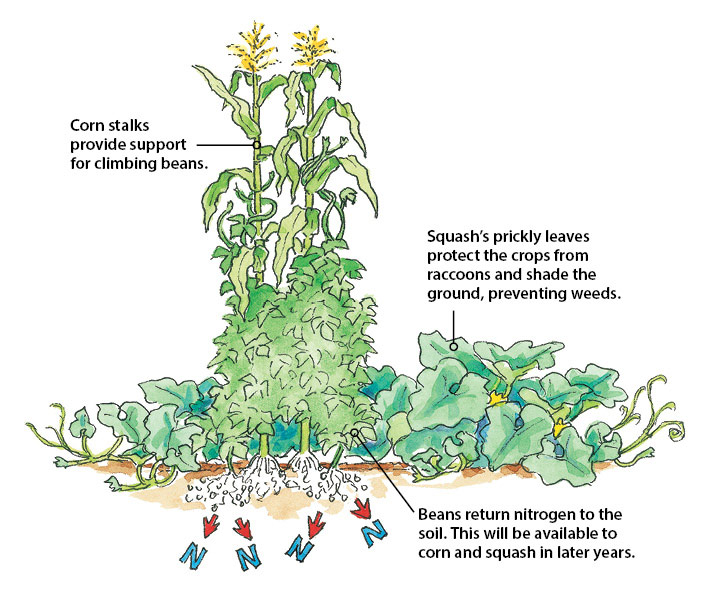
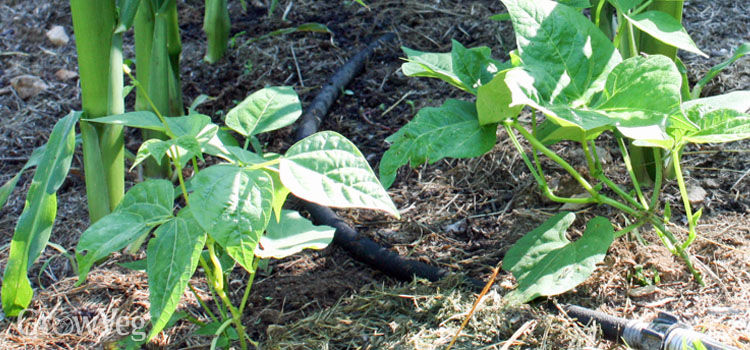
- Corn: Corn provides a natural trellis for pole beans to climb. It also shades the ground, which can help to suppress weeds and keep the soil moist.
- Squash: Squash can help to suppress weeds and improve soil quality. It also provides shade for bean plants, which can help to prevent them from overheating.
- Carrots: Carrots help to repel nematodes, which can be a problem for bean plants. They also help to improve soil drainage.
- Cucumbers: Cucumbers help to attract beneficial insects, such as ladybugs and parasitic wasps. They also help to suppress weeds.
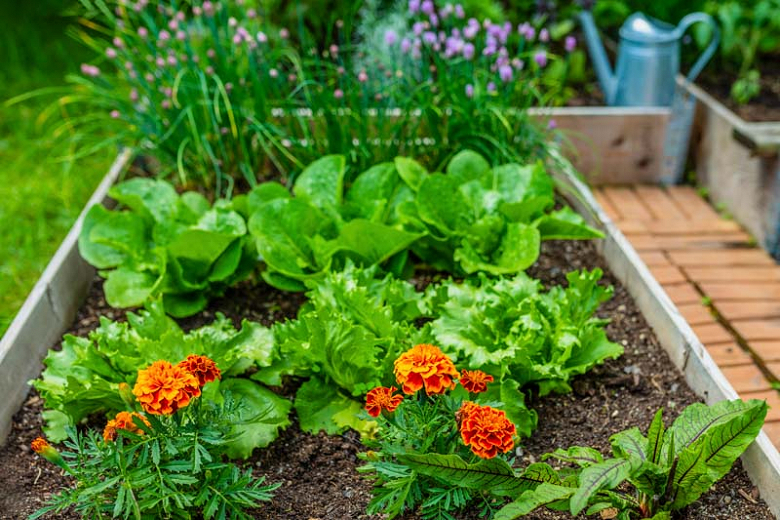
- Marigolds: Marigolds help to repel aphids, beetles, and other pests. They also help to improve soil drainage.
How do you plant companion plants with beans?
When planting companion plants with beans, it is important to consider the size and growth habit of each plant. For example, corn and squash are both large plants that need plenty of space. You will need to plant them further apart than you would smaller plants, such as carrots or cucumbers.
It is also important to plant companion plants at the same time as your bean plants. This will help to ensure that they have a chance to establish themselves before the bean plants start to grow.
Here are some tips for planting companion plants with beans:
- Plant corn and squash in the center of your garden. This will give them plenty of space to grow.
- Plant carrots, cucumbers, and marigolds around the edges of your garden. This will help to deter pests and improve soil quality.
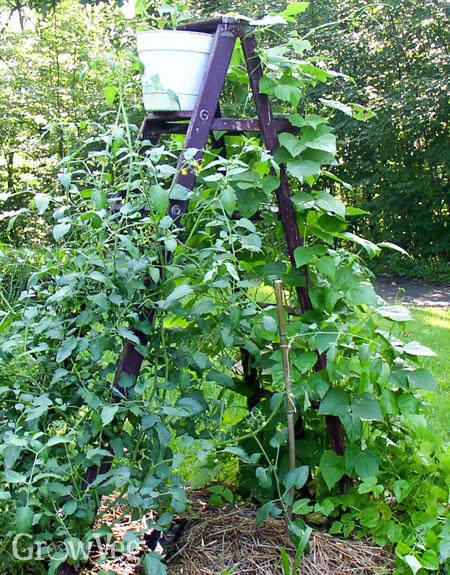
- Plant beans in between the other plants. This will help them to climb and support each other.
Conclusion
Companion planting is a great way to improve the growth and yield of your bean plants. By planting beans with beneficial companion plants, you can attract beneficial insects, deter pests, improve soil quality, and create a more diverse and healthy ecosystem in your garden.
FAQ of beans companion plants
Q: What are some good companion plants for beans?
A: Beans are a nitrogen-fixing plant, which means they can add nitrogen to the soil. This makes them a good companion plant for other plants that need nitrogen, such as tomatoes, corn, and squash. Beans can also help to suppress weeds and attract beneficial insects.
Some specific companion plants for beans include:
- Corn: Corn provides support for climbing beans, and the beans help to suppress corn borers.
- Squash: Squash shades the soil, which helps to keep it cool and moist. This benefits the beans, which prefer cooler soil. The squash also helps to suppress weeds.
- Cucumbers: Cucumbers and beans have similar growing requirements, and they can help to shade each other from the sun.

- Carrots: Carrots help to repel pests that can damage beans, such as aphids and bean beetles.

- Lettuce: Lettuce helps to suppress weeds and improve the drainage of the soil, which benefits the beans.
Q: What are some plants that should not be planted near beans?
A: There are a few plants that should not be planted near beans, as they can compete for nutrients or attract pests. These plants include:
- Potatoes: Potatoes and beans compete for the same nutrients, so planting them together can stunt their growth.

- Peas: Peas and beans are both legumes, and they can fix nitrogen in the soil. However, planting them together can lead to a buildup of nitrogen, which can damage the plants.
- Eggplant: Eggplant can attract pests that can also damage beans, such as aphids and whiteflies.

- Melons: Melons and beans need different amounts of water, so planting them together can lead to problems with moisture.

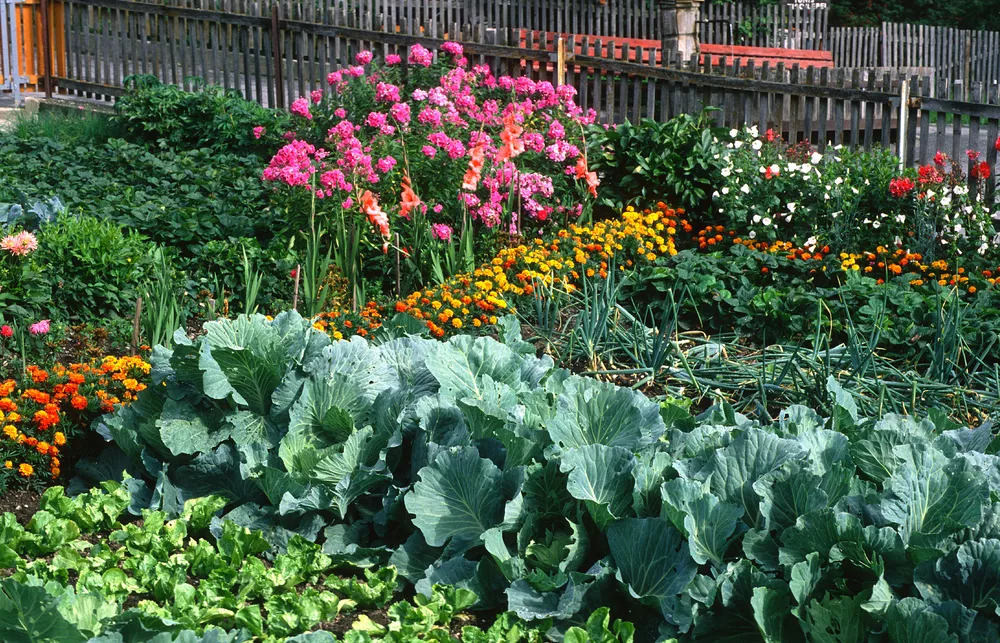
- Cabbage: Cabbage can attract pests that can also damage beans, such as cabbage loopers and flea beetles.
Q: What are the benefits of planting beans with companion plants?
A: There are several benefits to planting beans with companion plants. These include:
- Improved soil health: Companion plants can help to improve soil health by adding nutrients, suppressing weeds, and attracting beneficial insects.
- Increased crop yields: Companion plants can help to increase crop yields by providing support, shade, and pest control.
- Reduced pest and disease problems: Companion plants can help to repel pests and diseases, which can help to keep your beans healthy.
- Enhanced pollination: Some companion plants, such as nasturtiums, can attract pollinators, which can help to improve pollination and fruit set.
Q: How do I choose companion plants for beans?
When choosing companion plants for beans, it is important to consider the following factors:
- The size and growth habit of the plants: Some companion plants, such as corn, can provide support for climbing beans. Other companion plants, such as lettuce, are smaller and will not provide support.
- The nutrient requirements of the plants: Some companion plants, such as peas, fix nitrogen in the soil. This can be beneficial for beans, which are nitrogen-fixing plants.
- The pest and disease resistance of the plants: Some companion plants, such as nasturtiums, can repel pests and diseases. This can help to protect your beans from damage.
- The aesthetic appeal of the plants: If you are planting beans in a vegetable garden, you may want to choose companion plants that are visually appealing.
Q: How do I plant beans with companion plants?
When planting beans with companion plants, it is important to follow the instructions for planting each type of plant. In general, you will want to space the plants according to their mature size and give them enough room to grow. You may also want to consider planting the companion plants in a staggered pattern, so that they do not shade each other too much.
Image of beans companion plants
- Pole beans and corn: Pole beans are vining plants that need support, and corn stalks provide the perfect trellis. The beans also help to suppress weeds and improve the soil nitrogen levels.
- Beans and tomatoes: Beans and tomatoes are both nitrogen-fixing plants, which means they can help to improve the soil quality for each other. They also have different water needs, so they can help to balance out the moisture levels in the soil.
- Beans and carrots: Beans and carrots are both root vegetables, so they don't compete for space or nutrients. The beans also help to deter carrot flies, which are a common pest of carrots.
- Beans and cabbage: Beans and cabbage are both heavy feeders, so they can benefit from being planted together. The beans help to improve the soil nitrogen levels, while the cabbage provides shade for the beans during hot weather.

- Beans and spinach: Beans and spinach are both cool-weather crops, so they can be planted together in early spring or fall. The beans help to suppress weeds and improve the soil drainage, while the spinach provides a quick crop that can be harvested before the beans start to shade it out.

Post a Comment for "The Ultimate Guide To Companion Planting Beans"