Grow Your Own Vegetables In Stylish Wooden Planters
Growing your own vegetables is a great way to save money, eat healthier, and enjoy the satisfaction of harvesting your own food. And with stylish wooden planters, you can add a touch of beauty to your yard or patio while you're at it.
Here are some tips on how to grow your own vegetables in stylish wooden planters:
- Choose the right planter. When choosing a planter, consider the size of the plants you want to grow, the amount of sunlight they need, and the drainage requirements. Wooden planters come in a variety of sizes and styles, so you're sure to find one that's perfect for your needs.
- Prepare the soil. Before you plant your vegetables, it's important to prepare the soil. Add some compost or other organic matter to improve drainage and fertility. You may also want to add a layer of mulch to help retain moisture and suppress weeds.
- Plant your vegetables. When planting your vegetables, follow the instructions on the seed packet or seedling tag. Be sure to plant them at the correct depth and spacing.
- Water your vegetables regularly. Vegetables need about an inch of water per week, more often during hot, dry weather. Water deeply and less often to encourage deep root growth.
- Fertilize your vegetables. Vegetables need nutrients to grow healthy and produce a bountiful harvest. Fertilize your plants every few weeks with a balanced fertilizer.
- Protect your vegetables from pests and diseases. There are a variety of pests and diseases that can damage your vegetable plants. To protect your plants, inspect them regularly and take steps to control any problems that you see.
- Harvest your vegetables. When your vegetables are ripe, harvest them and enjoy!
With a little planning and care, you can grow your own vegetables in stylish wooden planters and enjoy fresh, healthy food all season long.
Main Content
Here are some additional tips for growing your own vegetables in stylish wooden planters:
- Choose a location that gets plenty of sunlight. Most vegetables need at least 6 hours of direct sunlight per day. If you don't have a spot in your yard that gets that much sun, you can try growing your vegetables in a sunny spot on your patio or balcony.
- Use the right soil. Vegetable plants need well-drained soil that is rich in organic matter. If your soil is sandy or clayey, you'll need to add some compost or other organic matter to improve drainage and fertility.
- Water your plants regularly. Vegetables need about an inch of water per week, more often during hot, dry weather. Water deeply and less often to encourage deep root growth.
- Fertilize your plants regularly. Vegetable plants need nutrients to grow healthy and produce a bountiful harvest. Fertilize your plants every few weeks with a balanced fertilizer.
- Protect your plants from pests and diseases. There are a variety of pests and diseases that can damage your vegetable plants. To protect your plants, inspect them regularly and take steps to control any problems that you see.
- Harvest your vegetables when they're ripe. This will ensure that you get the most flavor and nutrition from your produce.
Conclusion
Growing your own vegetables in stylish wooden planters is a great way to enjoy fresh, healthy food, save money, and add beauty to your yard or patio. With a little planning and care, you can be successful at growing your own vegetables in no time.
Are you looking for a beautiful and sustainable way to grow your own vegetables? If so, then you should consider using wooden vegetable planters. Wooden planters are made from natural materials that are good for the environment, and they can add a touch of rustic charm to your garden.
There are many different types of wooden vegetable planters available, so you can find one that fits your needs and style. Some popular options include raised beds, troughs, and window boxes. Raised beds are a great choice for gardeners with limited space, as they can be placed on the ground or on a patio. Troughs are ideal for growing long vegetables like tomatoes and cucumbers, and window boxes can be used to add a touch of greenery to your home's exterior.
No matter what type of wooden vegetable planter you choose, you can be sure that it will provide your plants with the nutrients and support they need to thrive. Wooden planters also help to improve drainage and aeration, which can help to prevent root rot and other problems.
If you're interested in learning more about wooden vegetable planters, I recommend visiting Garden Wiki. This website has a wealth of information on the topic, including articles, tutorials, and product reviews. You can also find a wide selection of wooden vegetable planters for sale on this site.
FAQ of wooden vegetable planters
Here are the 5 most frequently asked questions about wooden vegetable planters, along with valuable insights and solutions:
- What type of wood is best for wooden vegetable planters?
Cedar is a good choice for wooden vegetable planters because it is durable, lightweight, and rot-resistant. Other good options include redwood, cypress, and pine.
- How do I prepare a wooden planter box for planting?
Before you add soil and plants to your wooden planter box, you need to make sure it has drainage holes. This will help to prevent the roots of your plants from rotting. You can drill drainage holes in the bottom of the planter box using a drill and a 1/2-inch drill bit.
- How often do I need to water my plants in a wooden planter box?
The frequency of watering will depend on the size of the planter box, the type of plants you are growing, and the climate you live in. In general, you will need to water your plants more often in hot, dry weather.
- How do I prevent my wooden planter box from rotting?
To prevent your wooden planter box from rotting, you can seal it with a wood preservative. This will help to protect the wood from moisture and pests. You should also make sure that the planter box is in a well-drained location.
- How long do wooden vegetable planters last?
The lifespan of a wooden vegetable planter will depend on the type of wood you use, the quality of construction, and the environment it is in. With proper care, a wooden vegetable planter can last for many years.
Image of wooden vegetable planters
Here are 5 different images of wooden vegetable planters from Pinterest:
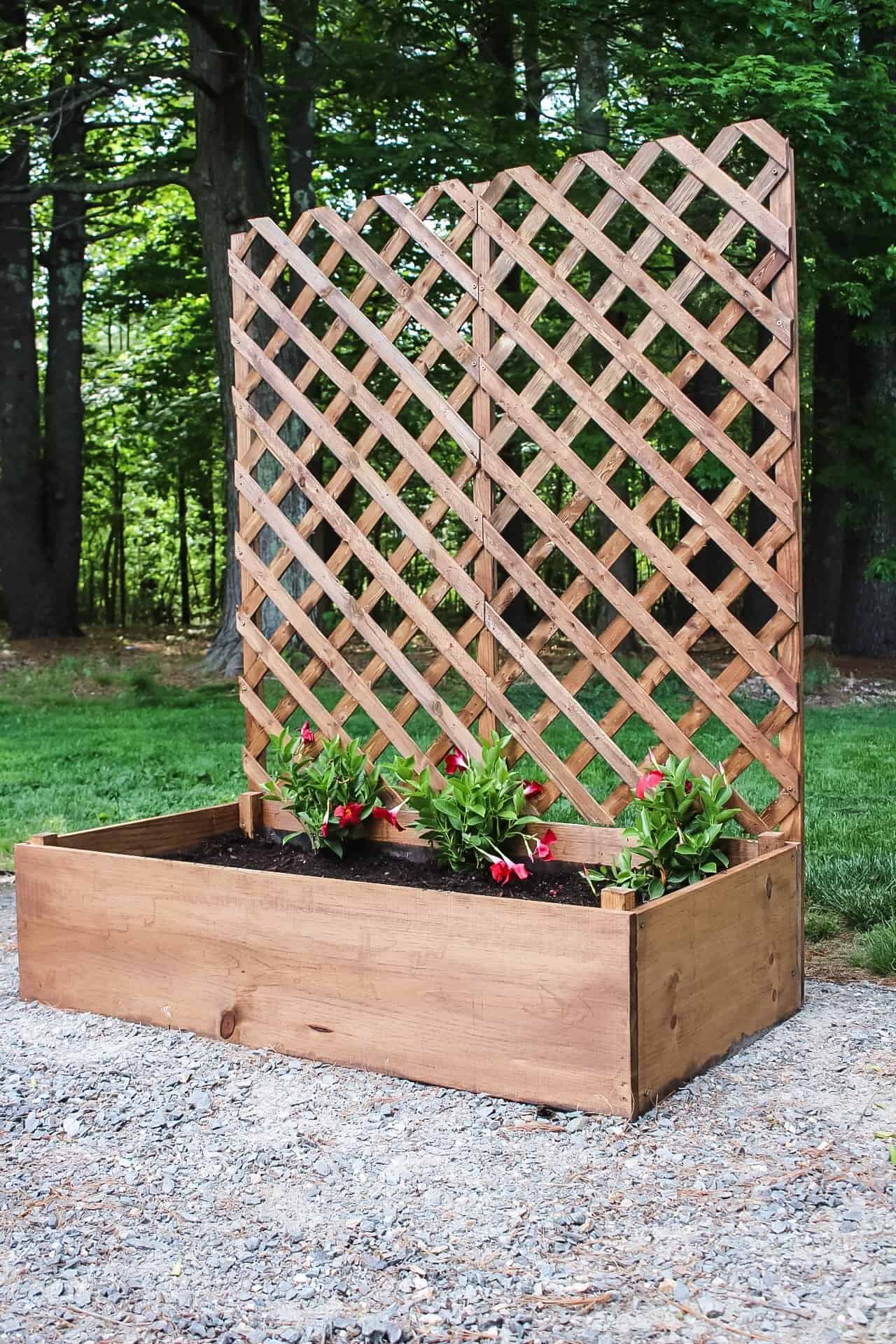
- A wooden raised planter box with a lattice top. The box is made from cedar planks and has a drainage hole in the bottom. The lattice top provides shade for the plants and also makes a nice decorative touch.
- A set of three wooden planter boxes stacked on top of each other. The boxes are made from different types of wood, including pine, cedar, and oak. They have drainage holes in the bottom and are painted different colors.

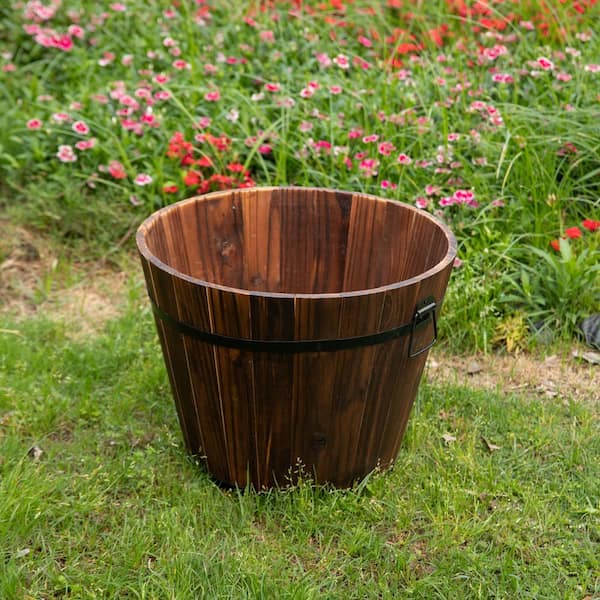
- A large wooden planter barrel with a metal handle. The barrel is made from oak and has a drainage hole in the bottom. It is painted a dark brown color and has a metal handle for easy transportation.
- A small wooden planter box with a curved top. The box is made from cedar and has a drainage hole in the bottom. The curved top gives the box a unique and modern look.
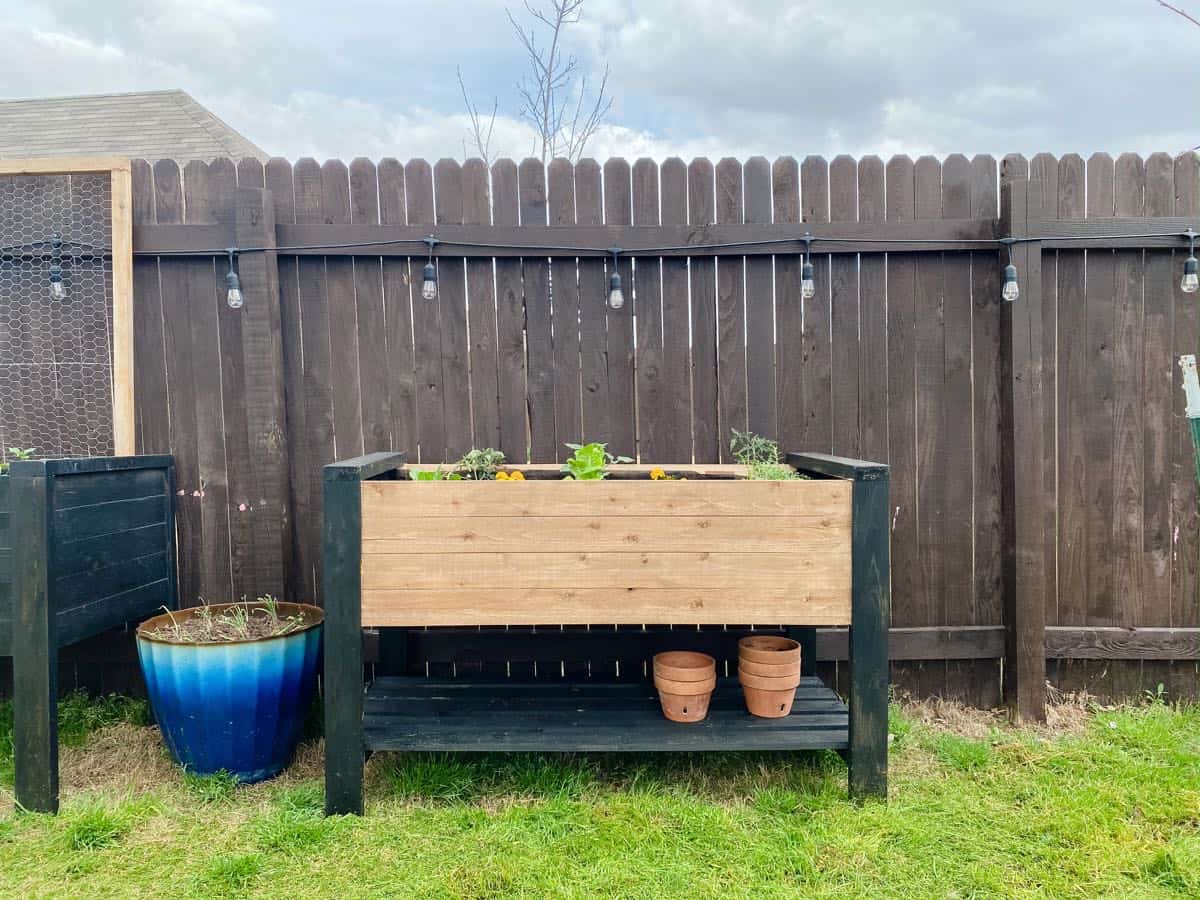
- A wooden planter box with a chicken wire bottom. The box is made from pine and has a chicken wire bottom to allow for drainage. It is painted a white color and has a simple design.


Post a Comment for "Grow Your Own Vegetables In Stylish Wooden Planters"